
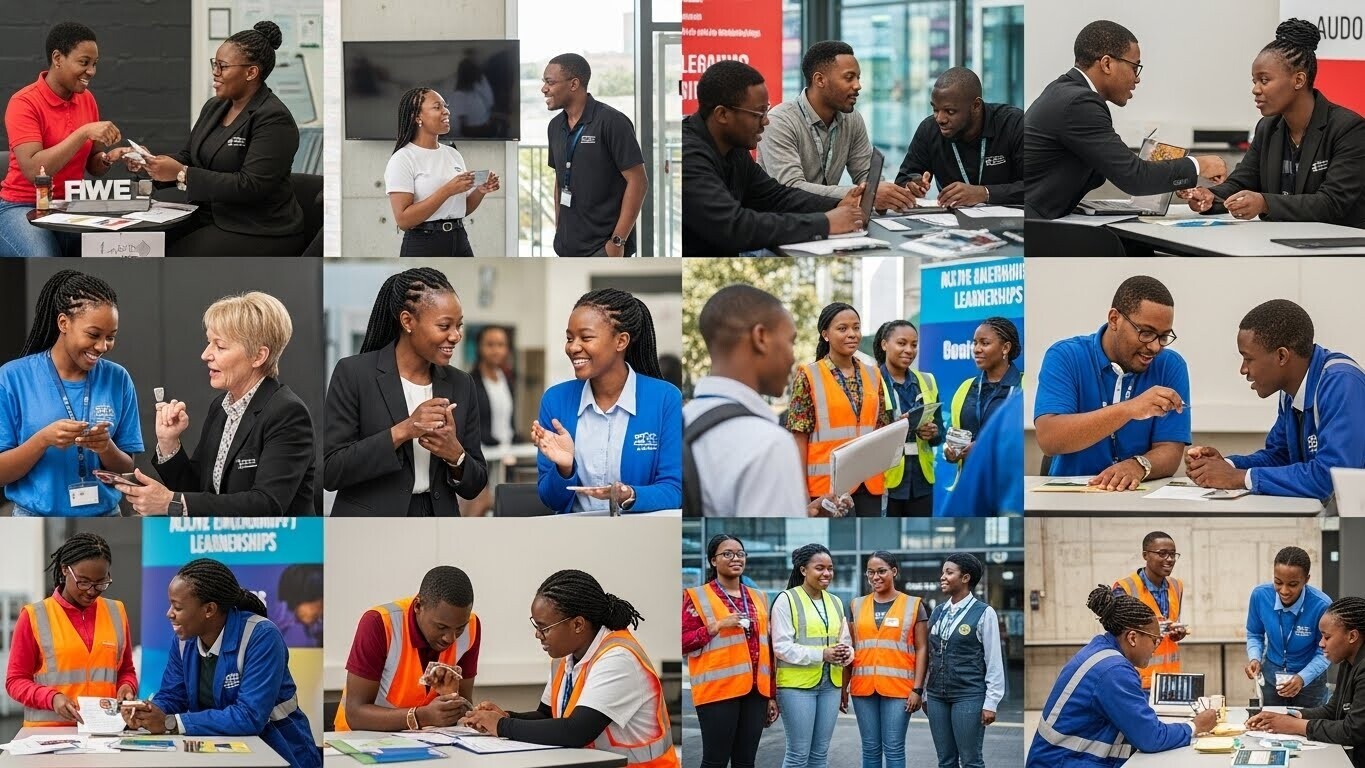
In South Africa’s evolving job market, more professionals are turning to freelancing as a viable career path. With the rise of digital platforms and changing work cultures, the gig economy offers unique opportunities — but also challenges — for job seekers looking to break free from traditional employment. As of the second quarter of 2026, South Africa’s official unemployment rate stands at 33.6%, with youth unemployment nearing 47% — figures that help explain why so many professionals are exploring freelance and side hustle income as an alternative to waiting on the traditional job market. This guide breaks down exactly what the gig economy looks like in South Africa today, why it’s growing, what it takes to succeed, and where to find real opportunities.
Understanding the Gig Economy in South Africa
The gig economy encompasses short-term contracts, freelance work, and project-based assignments rather than permanent jobs. It sits alongside — and increasingly overlaps with — the wider world of remote and digital work. Cities like Johannesburg, Cape Town, and Durban have witnessed rapid growth in sectors like digital marketing, graphic design, software development, and content writing, all of which offer freelance prospects.
The scale of this shift is no longer anecdotal. Recent industry estimates suggest South Africa’s gig economy now supports close to two million workers and contributes roughly 2.8% of national GDP, a share that has climbed steadily as more companies formalise contractor relationships instead of hiring permanently. Industry data collected from freelance marketplaces shows demand spread across every one of South Africa’s nine provinces, with smaller economic hubs such as Witbank, Thohoyandou, and Bethlehem emerging as new freelance nodes rather than the work staying concentrated in the major metros. Roughly two-thirds of posted freelance projects in South Africa now allow fully remote delivery, meaning a freelancer’s physical location matters far less than it once did — a trend explored in more depth on our remote and digital work hub.
This decentralisation matters for job seekers outside the major cities. Where freelance work once effectively required a Johannesburg or Cape Town address to access the best clients, today a strong internet connection and a well-presented portfolio can be enough to compete nationally, and often internationally.
Why Many South Africans Are Choosing Freelance Work
Economic uncertainty and high unemployment rates have pushed many professionals towards flexible work. According to Statistics South Africa’s Quarterly Labour Force Survey, the number of unemployed South Africans rose to 8.5 million in Q2 2026, with the labour force growing faster than the economy could absorb new workers. For young South Africans the picture is even harder: unemployment among those aged 15 to 34 sits close to 47%, and more than a third of 15 to 24-year-olds are not in employment, education, or training at all.
Against that backdrop, freelance work has become less of a lifestyle choice and more of an economic necessity for many. Freelance roles allow for control over workload and schedule, making them appealing especially during times of economic disruption, retrenchment, or when formal job openings simply aren’t materialising fast enough. Freelancing also lowers the barrier to earning an income — no formal hiring process, no waiting on a single employer’s headcount budget, and the ability to combine several income streams at once. For many, it starts as a way to supplement a salary or bridge a gap between jobs, explored further in our guide to alternative income and side hustles, before growing into a full-time career.
There’s also a structural pull factor. South Africa’s strict labour laws around permanent employment mean many local businesses, particularly small and medium enterprises, prefer engaging independent contractors for project-based work rather than committing to full-time headcount. This creates consistent local demand for freelance skills in digital marketing, web development, graphic design, copywriting, and administrative support — even when the broader economy is under pressure.
Challenges Freelancers Face
However, freelancing demands robust self-management skills. Irregular income, difficulty securing continuous projects, and the lack of formal benefits — no medical aid contributions, no UIF, no paid leave — are major hurdles that catch many first-time freelancers off guard. “In Cape Town, I managed to land consistent clients only after two years of steady networking and honing my niche,” says Thandiwe Mokoena, a freelance graphic designer.
Local freelancers also compete in a market that is, by global standards, priced very competitively. Reports on South Africa’s freelance economy show that local software developers, for example, charge a median hourly rate roughly 80% lower than the typical rate for comparable work on international platforms like Upwork. That pricing gap makes South African freelancers highly attractive to international clients looking for cost-effective talent, but it can also mean local-only freelancers earn less than they could if they built a client base beyond South Africa’s borders. Freelancers who stay focused purely on domestic clients often find that sluggish local GDP growth and a weaker Rand cap what they can charge, while those who develop the confidence and portfolio to serve international clients typically see meaningfully higher earnings.
There is also a widening skills gap worth noting. Client demand for AI-related competencies in freelance briefs is currently outpacing the number of freelancers who list AI skills on their profiles by a meaningful margin, according to recent local marketplace data. Freelancers who invest early in AI-adjacent skills — from prompt engineering to AI-assisted design and development workflows — are positioning themselves ahead of a shift that is expected to make these skills a baseline expectation rather than a differentiator within the next couple of years.
The Numbers: South Africa’s Freelance Economy in 2026
It helps to see the scale of what’s happening. A handful of figures give useful context for anyone weighing up whether to make the leap into freelance work:
- South Africa’s official unemployment rate reached 33.6% in Q2 2026, up from 32.7% the previous quarter, according to Stats SA.
- Youth unemployment (ages 15–34) is close to 47%, with nearly 5 million young South Africans unemployed.
- South Africa’s gig economy is estimated to support close to two million workers and contribute around 2.8% of GDP.
- Sub-Saharan Africa recorded gig platform job-posting growth of roughly 130% in recent years, far outpacing growth in more mature freelance markets like North America.
- Two-thirds of freelance projects posted on South African marketplaces now allow fully remote delivery.
- South African freelance software development rates sit at a significant discount to international platform averages, making local talent highly competitive for cross-border clients.
Taken together, these numbers tell a consistent story: freelance and gig work in South Africa isn’t a fringe activity anymore. It’s a structural response to a labour market that isn’t creating enough traditional jobs, combined with a genuine and growing demand — both locally and internationally — for South African digital talent.
Practical Steps to Build a Thriving Freelance Career
1. Identify Your Niche and Skillset
Specialisation can set you apart. Whether it’s tech, writing, or consulting, focus on what you do best and continuously improve your skills. Generalists tend to compete on price; specialists compete on expertise, and expertise is what allows freelancers to charge higher rates and attract repeat clients. Look closely at where client demand is currently outpacing available talent — AI-adjacent skills, for instance, are one of the clearer gaps in the current South African freelance market — and consider whether that’s a direction worth building into your niche.
2. Build a Professional Online Presence
Create a portfolio website and leverage social media like LinkedIn to showcase your work. “My LinkedIn profile opened doors to projects with companies in Johannesburg and Pretoria,” shares Sipho Dlamini, a freelance digital marketer. A strong online presence does two things at once: it acts as a searchable proof of your work for prospective clients, and it signals professionalism in a market where credibility is often the deciding factor between two similarly priced freelancers. If you’re building this presence with an eye toward remote or international clients, our remote and digital work resources cover what employers in that space typically look for.
3. Network Strategically
Attend industry events and join local freelancer groups. Building relationships with other freelancers and potential clients can lead to referrals and more work. Referrals remain one of the most reliable sources of new freelance business in South Africa, largely because trust is harder to establish remotely than it is through a personal introduction. Freelancer communities — whether in-person meetups in Cape Town and Johannesburg or active online groups — also provide something less tangible but equally valuable: peer support during the inevitable slow months.
4. Understand Your Finances
Proper budgeting and setting aside emergency funds help manage the unpredictable income flow. Register your business formally for tax compliance with SARS. Freelance and gig income in South Africa is taxable regardless of whether it comes from a single client, a platform like Upwork, or a mix of smaller side hustles, and depending on how much you earn, you may need to register as a provisional taxpayer, make advance payments during the year, and submit annual returns. Freelancers working with international clients should also familiarise themselves with FICA and POPIA obligations, since compliance with South African regulatory frameworks is increasingly seen by clients as a mark of a serious, professional freelancer rather than a hobbyist.
5. Diversify Your Income and Keep Building Skills
Relying on a single client or a single platform is one of the most common mistakes new freelancers make. Spreading your work across a few reliable clients, and treating skills development as an ongoing part of the job rather than a one-off investment, protects you against the feast-or-famine cycle that catches so many freelancers off guard. Many successful South African freelancers also combine freelance client work with smaller, complementary income streams — worth exploring in our breakdown of side hustles and alternative income options — to smooth out inconsistent months.
Case Study: From Corporate to Freelance Success in Johannesburg
Lebogang Kgosi left a corporate HR role in Johannesburg to freelance as an HR consultant. Leveraging old contacts and showcasing her expertise on social media helped her land multiple clients within six months. She advises, “Don’t underestimate the power of consistent follow-up and delivering quality on every project.”
Kgosi’s transition reflects a pattern seen across the South African freelance market: professionals who leave corporate roles with an established network and a clearly defined area of expertise tend to reach income stability far faster than those starting from scratch. Her experience also underscores a point worth repeating — freelancing rewards consistency and reliability as much as it rewards raw skill. Clients return to freelancers who deliver on time and follow up proactively, even more than they return to freelancers who are simply the most talented.
Where to Find Freelance and Remote Work Opportunities
One of the most common questions from professionals considering freelancing is simply: where do I actually find clients? South Africa’s freelance ecosystem now includes local marketplaces built specifically for South African freelancers and businesses, alongside global platforms like Upwork and Fiverr that connect local talent to international clients. Local platforms tend to offer an advantage in trust and payment simplicity — dealing in Rand, with South African contract norms — while international platforms typically offer higher rates but more competition.
For professionals weighing up remote-first roles rather than pure freelance contracting, it’s worth understanding how the two overlap. Remote work with a single employer offers more income stability but less flexibility; true freelancing offers more flexibility but requires you to manage your own client pipeline. Our remote and digital work section covers this distinction in more depth, including which industries in South Africa are hiring remotely right now. And for job seekers who aren’t ready to go fully freelance but want to test the waters, our guide to alternative income and side hustles is a practical starting point.
Tax and Legal Considerations for South African Freelancers
One of the less glamorous realities of freelance and gig work is that earning extra income comes with tax obligations. Whether you’re freelancing as a designer or developer, doing consulting work, or running a side business alongside a full-time job, any income earned outside a salary generally needs to be declared to SARS. Freelancers who cross certain income thresholds may need to register as provisional taxpayers, which involves making advance tax payments twice a year rather than relying solely on an annual return.
Beyond tax, freelancers working with South African clients — and particularly those handling client data — should be aware of their obligations under POPIA (the Protection of Personal Information Act), while those receiving international payments need to understand FICA requirements tied to banking and foreign exchange. None of this needs to be intimidating, but it’s far easier to build good habits from your first invoice than to untangle a backlog of unregistered income further down the line.
Looking Ahead: The Future of Freelancing in South Africa
The gig economy is expected to expand as more companies outsource specialised work rather than expand permanent headcount. Platforms tailored for South African freelancers are emerging, making it easier to find local and international clients without competing directly against the full weight of the global freelance market. Globally, freelance and independent work has moved from a niche career path to a mainstream one, and South Africa’s growth in this space — with gig platform activity expanding significantly faster here than in more saturated markets — suggests the country is following, and in some respects leading, that trend within the region.
Artificial intelligence is also reshaping what “in-demand” freelance skills look like. Client demand for AI-related competencies is currently growing faster than the pool of freelancers who can meet it, which represents a genuine opportunity for freelancers willing to build those skills early rather than treating AI as an afterthought. At the same time, regulatory attention on gig and platform work is increasing internationally, which is likely to filter through to how local platforms structure contracts, protections, and classification for freelancers over the next few years. To thrive in this landscape, adaptability and continuous learning are vital — freelancers who treat their skillset as static are the ones most likely to be undercut, while those who keep evolving tend to move up the rate ladder rather than down it.
Frequently Asked Questions
Is freelancing a realistic full-time career in South Africa?
Yes, for a growing number of professionals it is. With unemployment at 33.6% and freelance platform activity expanding rapidly, freelancing has shifted from a side option to a genuine full-time path for many South Africans, particularly in digital marketing, design, writing, and software development. Success typically depends less on the industry itself and more on how deliberately someone builds a niche, an online presence, and a client pipeline.
How much can freelancers earn in South Africa compared to international rates?
Local rates for skills like software development tend to sit well below international platform averages, which makes South African freelancers competitive for cross-border work but can also mean freelancers serving only domestic clients earn less than their international counterparts. Freelancers who build a portfolio and reputation that attracts international clients generally see the strongest earnings growth over time.
Do freelancers in South Africa need to register with SARS?
Yes. Freelance and gig income counts as taxable income regardless of the source, and depending on how much is earned, freelancers may need to register as provisional taxpayers and submit returns accordingly. It’s worth setting up proper record-keeping from the very first client invoice.
For job seekers exploring alternatives to traditional employment, understanding how to navigate freelancing can open doors to new possibilities. And to stay connected with opportunities, Jobs South Africa provides invaluable resources to help freelancers and full-time seekers alike — from the latest listings to practical guides on building alternative income and finding remote and digital work.



Leave a Reply