

Your first job interview is unfamiliar territory in a way that’s hard to fully prepare for from advice alone — but a lot of the nervousness comes from not knowing what to expect, and that part is entirely fixable. This page walks through what a typical entry-level interview in South Africa actually looks like, how to prepare properly, and the mistakes that trip up first-timers most often.
If you haven’t yet, it’s worth reading How to Answer “Why Should We Hire You?” With No Experience first, since that’s one specific question worth having ready before anything else.
What to Expect
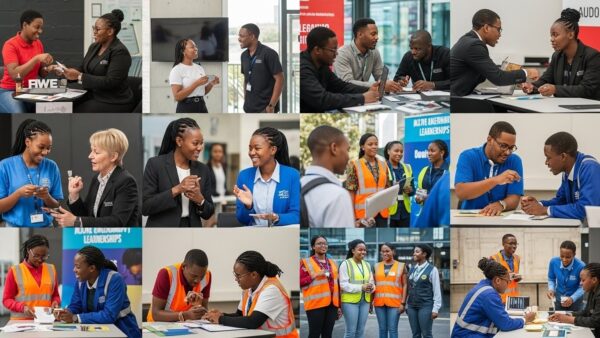
Most entry-level interviews in South Africa are relatively short — often 20 to 40 minutes — and conducted by a hiring manager, HR representative, or sometimes a small panel of two or three people. For high-volume roles like retail or call centre work, you may go through a brief group interview or assessment alongside other candidates rather than a one-on-one. Whatever the format, the core structure is usually similar: a few questions about you, some questions about the specific role, and a chance for you to ask questions at the end.
Before the Interview
Research the Company
Spend fifteen minutes learning the basics: what the company does, roughly how big it is, and — if it’s a well-known brand — what it’s generally known for. You don’t need deep knowledge, just enough to answer “what do you know about us?” and to tailor your answers to the specific business rather than sounding generic.
Prepare Your Key Answers in Advance
A small number of questions come up in almost every entry-level interview. Have a clear, practised (not memorised word-for-word) answer ready for each:
- “Tell me about yourself”
- “Why do you want to work here?”
- “Why should we hire you?” — covered in detail in our dedicated guide
- “What are your strengths and weaknesses?”
- “Where do you see yourself in a few years?”
Prepare Two or Three Questions of Your Own
Interviewers generally ask if you have questions at the end, and having none can read as a lack of genuine interest. Good options for an entry-level role include asking about training, what a typical day looks like, or what success looks like in the role during the first few months. Avoid leading with questions about salary or leave in the first interview — those are better raised once you’re further along or an offer is on the table.
Sort Out the Practical Details Early
Know exactly where you’re going, how you’re getting there, and how long it’ll take, and plan to arrive with buffer time — being late to a first interview is one of the harder mistakes to recover from. If it’s a virtual interview, test your device, internet connection, and video/audio setup the day before, not five minutes beforehand.
What to Wear
When in doubt, dress slightly more formally than you think the job requires — smart, neat, and clean matters more than expensive. For most entry-level roles, neat, plain clothing (a collared shirt, simple dress, or similar) is a safe default. If you know the company’s dress code (retail uniforms, for example), that can guide you, but for the interview itself, err toward slightly more formal than what you’d wear on the job.
During the Interview
- Greet with a handshake and eye contact where culturally and physically appropriate, and thank the interviewer for their time.
- Listen fully before answering. It’s fine to pause for a second or two before responding — rushing to fill silence often produces weaker answers than a brief, composed pause.
- Keep answers focused. Aim for roughly 30 seconds to a minute per answer unless asked to elaborate — rambling is one of the most common ways first-time interviewees lose an interviewer’s attention.
- Be honest about what you don’t know. If asked something you can’t answer, say so plainly and, where relevant, explain how you’d go about finding out — this reads far better than guessing or bluffing.
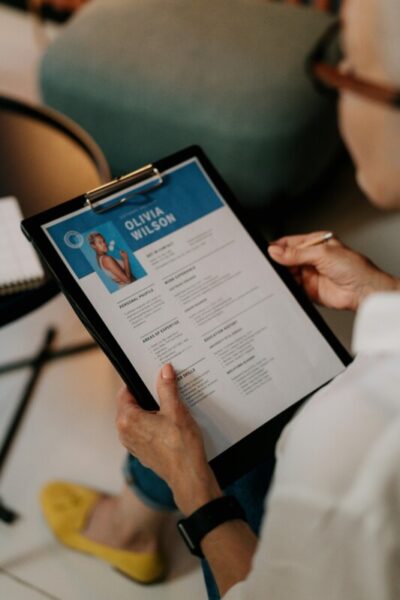
- Bring a printed copy of your CV and any relevant certificates, even if you’ve already submitted them electronically — it signals preparation and gives the interviewer something to reference directly.
Common First-Timer Mistakes
- Apologising for having no experience. State what you bring instead of drawing attention to what you lack.
- Speaking negatively about a school, previous employer, or teacher. Even if justified, this tends to read poorly to an interviewer meeting you for the first time.
- Checking your phone during the interview. Switch it to silent and put it away entirely before you walk in.
- Not following up afterward. A short, polite thank-you message or email after the interview — even just a few lines — is a small gesture that some first-time candidates skip and that can genuinely help you stand out.
After the Interview
It’s reasonable to ask at the end of the interview what the next steps and timeline look like, so you know roughly when to expect to hear back rather than being left guessing. If you haven’t heard anything after the timeframe they gave you, a brief, polite follow-up message is appropriate — it shows continued interest rather than coming across as impatient.
Frequently Asked Questions
What should I bring to my first job interview?
A printed copy of your CV, copies of relevant certificates (matric certificate, any short courses, driver’s licence if relevant), your ID, and a pen and small notebook in case you want to jot anything down.
Is it normal to be nervous for a first interview?
Yes, and most interviewers hiring for entry-level roles expect and account for some nervousness in first-time candidates — it’s not something you need to hide or over-apologise for. Thorough preparation is the most effective way to reduce it.
What if I don’t hear back after the interview?
Give it the timeframe the interviewer mentioned, if any, before following up. If no timeframe was given, a polite check-in after one to two weeks is generally reasonable. Not hearing back at all, unfortunately, is common in high-volume hiring processes and isn’t necessarily a reflection of how the interview went.


Leave a Reply